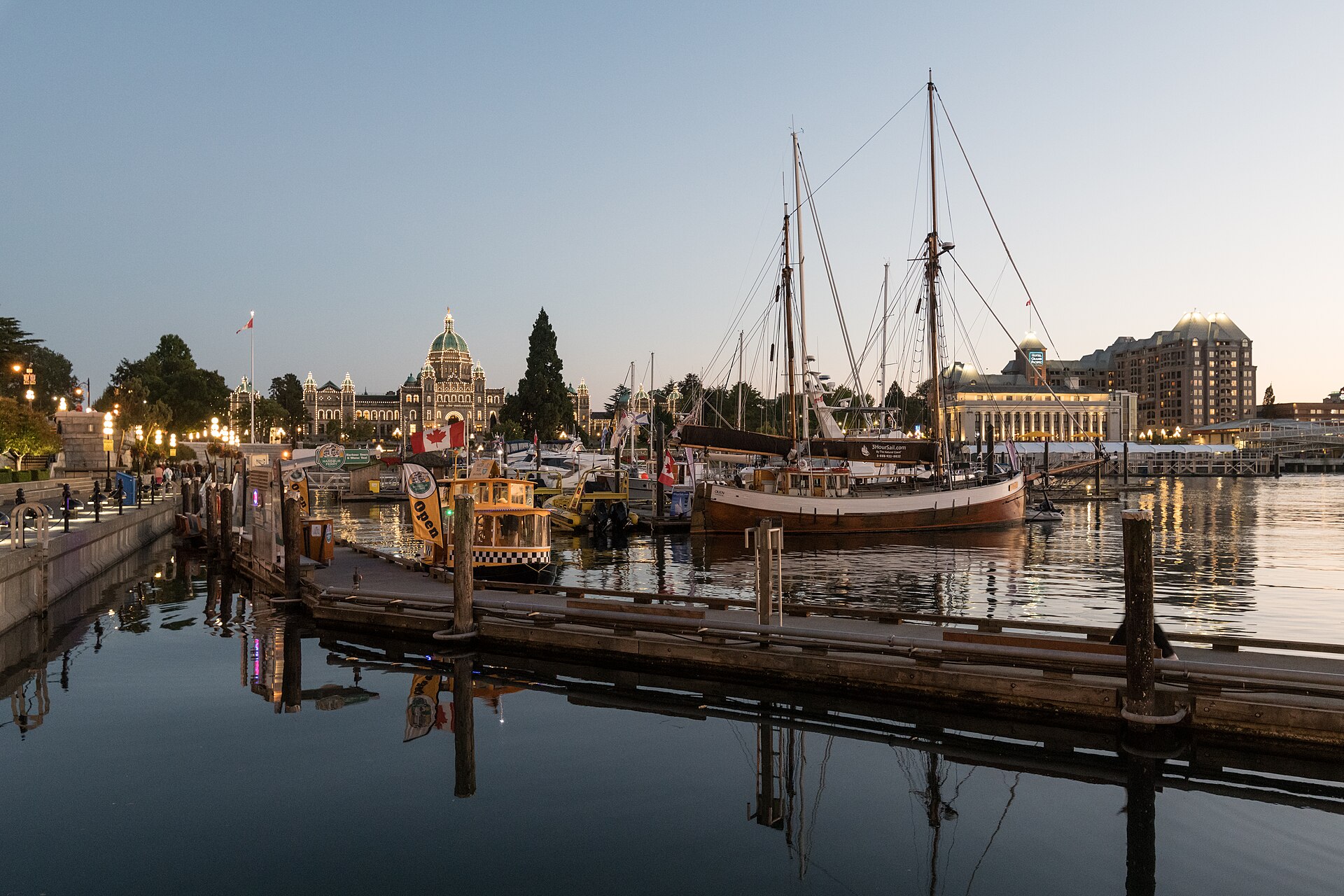
Understand Victoria before you commit to an address
Victoria is a city of 12 neighbourhoods squeezed into 19.5 km², with eleven other municipalities pressed against its edges — so which side of a boundary street you land on changes your tax bill, your recreation card and your school catchment, not just your commute. This is a guide to the city one neighbourhood at a time, with the arithmetic of buying here worked out alongside it.

What it actually costs to live here
Two calculators built on British Columbia's own rules rather than a generic template: Canadian semi-annual compounding, the real minimum down payment tiers, and the closing costs this province charges rather than the ones it doesn't.
Rent or buy in Victoria
Whether buying beats renting in a market where the house benchmark is falling and the rental vacancy rate is the loosest since 1999. Both households start with the same cash and whichever of them has the cheaper month invests the difference, so the comparison is not rigged in either direction.
Mortgage calculator
Semi-annual compounding, every payment frequency including the accelerated ones, BC's property transfer tax with its first-time-buyer exemption, and what an extra payment takes off the end of the loan.
Then find the part of the city you want to be in
The neighbourhood index groups Victoria into four quarters — an editorial grouping, since the City publishes boundaries and no grouping above them. Every guide keeps sourced facts apart from editorial observation, credits its photographs, and dates what it claims.

All 12 neighbourhoods
Every neighbourhood the City draws a boundary around, each with sourced facts, schools, parks, amenities, walking and drive times and an honest account of the trade-offs.
Browse every neighbourhood →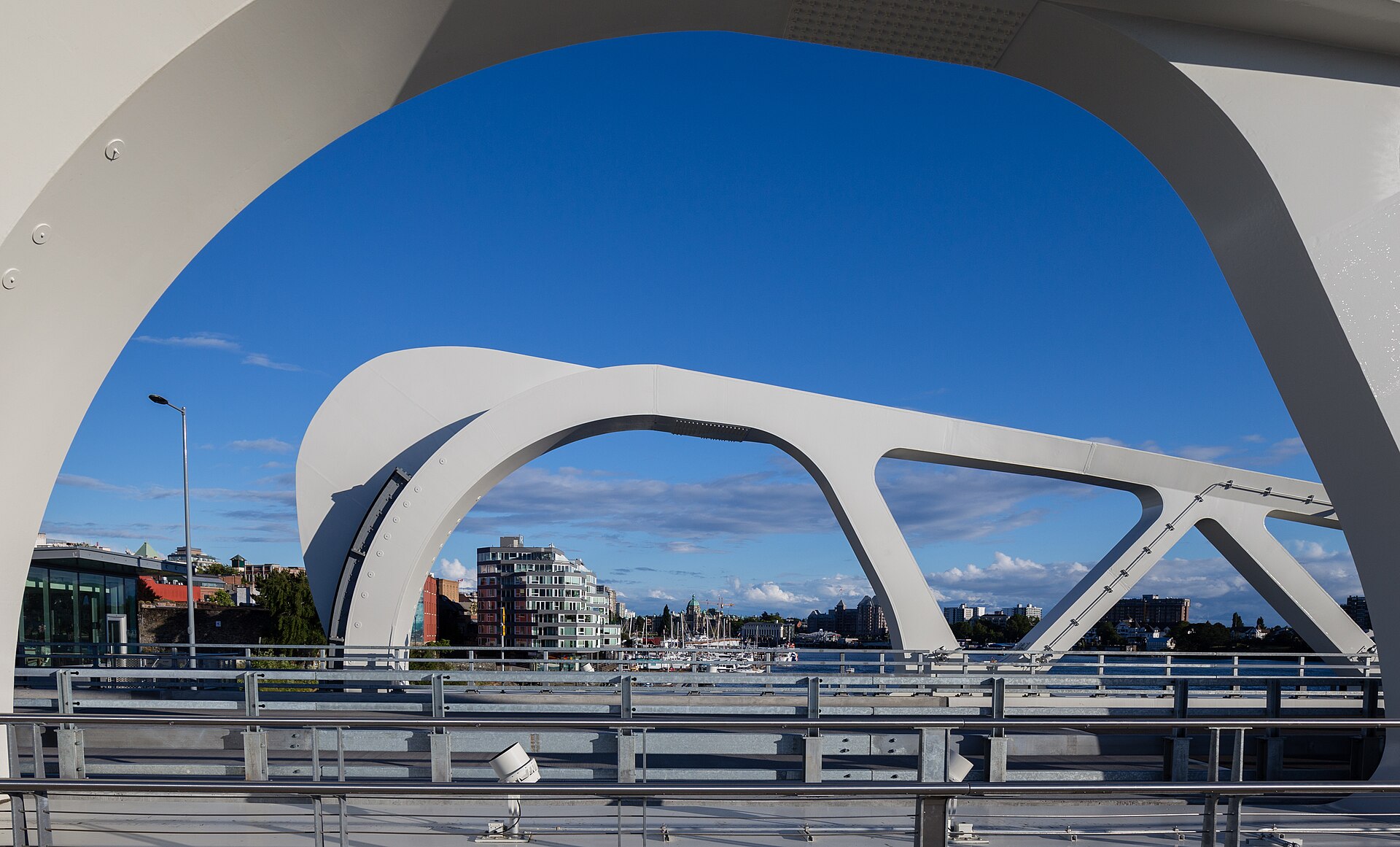
Harbour, North, Central and South
The City publishes neighbourhood boundaries and nothing above them, so these four quarters are ours — the harbour-facing three, the three north of Bay Street, the inland belt, and the three along the Juan de Fuca shore.
Compare the four quarters →Sourced, dated, and separated from the guesswork
The calculators open with real Victoria figures — the benchmark price, market rents, the property tax rate this city actually levies — each one cited and stamped with the period it describes. Every one of them is an editable input, because a figure that describes the whole city rarely describes your purchase.
Forward-looking rates are a different kind of number. Appreciation, rent inflation and investment returns are assumptions, not facts, and they are labelled that way wherever they appear. Read the research and sourcing methodology for how the line is drawn.
- Benchmark price and market rents: published statistics, dated to the month.
- Property tax, transfer costs and insurance premiums: the municipal and provincial schedules.
- Appreciation, rent growth and investment returns: assumptions you should change.
- Nothing here is a lender quote, a pre-approval or financial advice.